
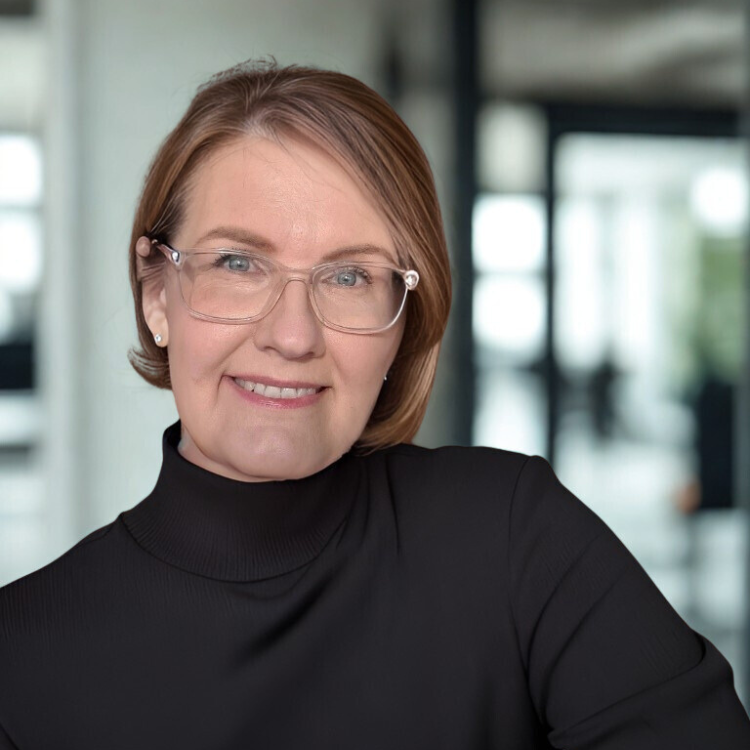
Hi, I’m Niina Gullstén.
I’m a coach and intuitive practitioner with a background in engineering.
I work with people who want another perspective on an important decision, relationship or situation.
My approach combines analytical inquiry, intuition and energetic perception. I perceive subtle energy directly and can often notice patterns, relationships and changes that are not obvious from the visible facts alone.
I don’t treat perception as unquestionable truth. I question it, compare it with what else is known, and separate what I perceive from what I interpret.
That way of working has developed over years through mentoring, client work, feedback and observation in my own life.
Where this comes from
The perception part did not begin as a method. For a long time it was just something that kept happening, and I mostly kept it to myself. Sometimes it even annoyed me, because it had no valid explanation.
In the same month I met two people, separately, who did not know each other. Before either of them said anything about their past, I knew they came from the same small town in another country. They did.

I would know, from another city, that a friend was in trouble, and call, and be right.

I knew when a text message I sent was received and read without checking the phone. Not always very useful information, but annoyingly accurate.
I have a mind that wants to know how things work, and an engineer's training, so I started keeping score. Not a formal lab notebook, just a private record of when the signal was right, when it was wrong, and what the difference felt like from the inside. I also started studying intuition, psychology, my old physics textbooks...
I did that for a few years before I let it anywhere near my work with people. Even then, only in a personal network at first. People brought me interactions they could not get clear on their own, and the combination held: analysis for the structure, perception for the part the structure missed.
So here we are.
Where to start
Book a short 15-minute call with me, ask questions, test my intuition, whatever you need to know if we're a fit.
BOOK AN INTRODUCTORY CALL